

Beginning July 1st, there will be a 3% surcharge fee on all cards. ACH online bank payments don’t have a fee.

Year 1 & Year 2

Permit Technician & Building Inspector Training & Certification

The WABO COAP Dual Enrollment pathway is designed for ambitious professionals seeking a comprehensive understanding of the code administration lifecycle. From the historical development of local jurisdictions in Year 1 to the life-safety inspection protocols in Year 2, this program provides a rigorous, 100-hour-per-quarter per class curriculum that meets the standards of Washington state agencies and industry organizations alike.

Dual Enrollment Curriculum

Required Classes for
Dual Enrollment Certification

PERMIT TECHNICIAN 101

Minimum: 100 hours per quarter
Instructors: Kelly Thompson and Rachelle Sagen

PT 101: Public Service In Washington: Fall Quarter

This course is designed to review the history and development of Washington state codes and how they are administered at the local level by Permit Technicians, Building Inspectors, and Plans Examiners. The course covers how state codes are administered in local jurisdictions and how they work together with the International Building Codes.

Prerequisites: NONE
Required Material*

It is the student’s responsibility to have the following book(s) prior to the first day of class:

International Zoning Code (Soft Cover) – $60.00
Legal Aspects of Code Administration – $54.00
Basic Code Enforcement – $60.00

BUILDING INSPECTOR 201

Minimum: 100 hours per quarter
Instructor: Johnathan Goldsmith, CBO, ACO

BI 201: Code Administration In Washington: Fall Quarter

This course is designed to introduce the essential elements of inspection in ensuring safety in the built environment, often taking place periodically throughout the life of a building. Inspections may be provided by local governments, state agencies, industry organizations, or private entities.

Prerequisites: COAP Year 1 or Dual Enrollment
Required Material*

It is the student’s responsibility to have the following book(s) prior to the first day of class:

Inspector Skills – $30.00
International Property Maintenance Code (Soft Cover) – $63.00

PERMIT TECHNICIAN 102

Minimum: 100 hours per quarter
Instructors: Kelly Thompson and Rachelle Sagen

PT 102: Skills For Success: Winter Quarter

This course is designed to examine skills for success. These “soft skills” are important for those employed in public service such as Permit Technicians, Building Inspectors, and Plans Examiners. Understanding customer experience, coping methods, effective listening skills, verbal and written communication, and professional image will be addressed.

Prerequisites: PT 101
Required Material*

It is the student’s responsibility to have the following book(s) prior to the first day of class:

Basic Code Enforcement – $60.00

BUILDING INSPECTOR 202

Minimum: 100 hours per quarter
Instructor: Johnathan Goldsmith, CBO, ACO

BI 202: Public Policy And Regulations: Winter Quarter

This course is designed to help further develop inspector “soft skills” while remaining within the lines of public policy and regulation. These “soft skills” are important for those employed in public service such as Permit Technicians, Building Inspectors, and Plans Examiners. Conduct research, analyze data and clearly report results related to code requirements, materials and methods of construction.

Prerequisites: BI 201
Required Material*

It is the student’s responsibility to have the following book(s) prior to the first day of class:

Inspector Skills – $30.00
Legal Aspects of Code Administration – $54.00

PERMIT TECHNICIAN 103

Minimum: 100 hours per quarter
Instructor: Andrew Lunde

PT 103: Permit Technician: Spring Quarter

This course is designed to introduce basic knowledge and understanding of the International Building Codes administered at the local level by Permit Technicians, Building Inspectors, and Plans Examiners. Code issues related to architectural and structural designs will be explored.

Prerequisites: PT 101 and PT 102
Required Material*

It is the student’s responsibility to have the following book(s) prior to the first day of class:

International Residential Code (Soft Cover) – $209.00
Residential Code Essentials – $55.00

BUILDING INSPECTOR 203

Minimum: 100 hours per quarter
Instructor: Andrew Lunde

BI 203: Building Inspector: Spring Quarter

This course is designed to introduce basic knowledge and understanding of the International Building Codes administered at the local level by Permit Technicians, Building Inspectors, and Plans Examiners. Some topics covered will be on doors, windows, insulation, and energy credits in the following areas: occupancies, allowable area and stories, types of construction, fire resistance, fire protection systems, means of egress, and accessibility.

Prerequisites: BI 201 and BI 202
Required Material*

It is the student’s responsibility to have the following book(s) prior to the first day of class:

International Building Code (Soft Cover) – $209.00
Building Code Essentials – $55.00
Building Code Illustrated: A Guide to Understanding the IBC – $73.00
Residential Building Inspection: A Step-by-Step Guide – $40.00

*Required material, editions, availability, and cost are subject to change without notice. We recommend not purchasing items for future quarters.

*Required material, editions, availability, and cost are subject to change without notice. We recommend not purchasing items for future quarters.

Washington State Building Department Career Opportunities

Graduates of this program are qualified for entry-level roles that serve as the central hub for local development and construction projects.

Permit
Specialist

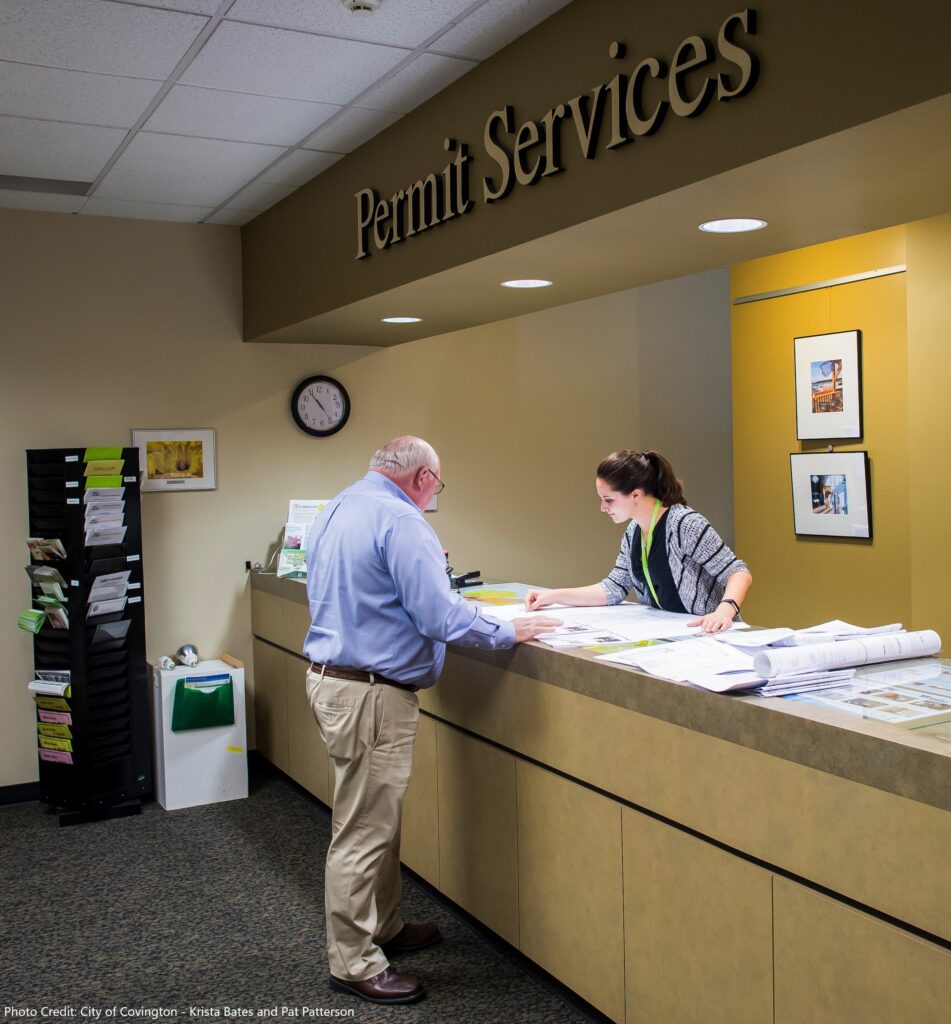
Acts as the primary point of contact for applicants, providing front-line customer service and answering technical inquiries related to city codes and permitting processes.

Permit Coordinator

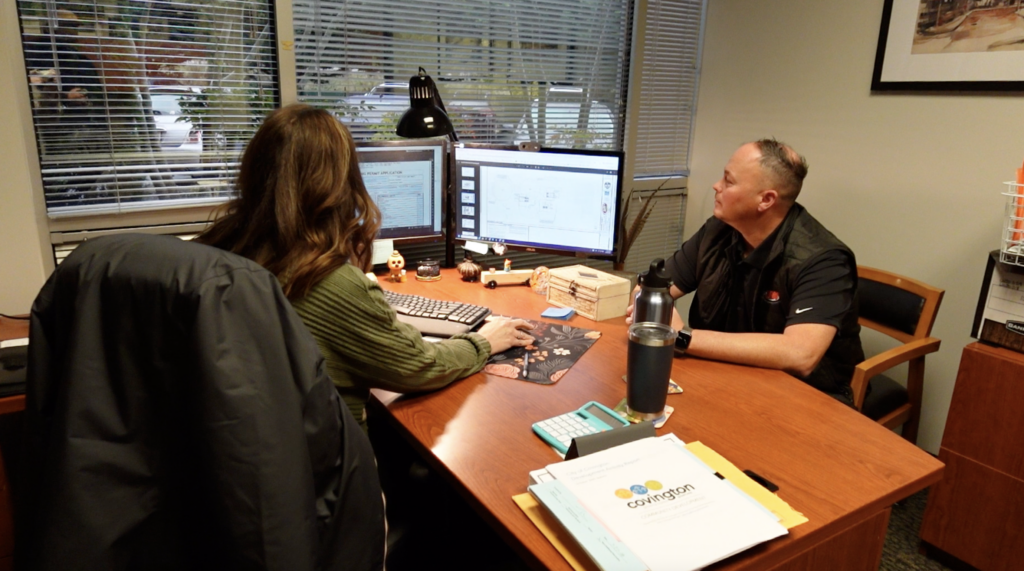
Serves as a technical liaison between the public, design professionals, and internal city departments to ensure project reviews are well-coordinated and efficient.

Building Inspector

Inspects residential and commercial construction projects at various stages to verify compliance with building codes, approved plans, and safety standards.

Residential Building Inspector

Evaluates single-family homes and small residential projects to ensure construction meets structural, safety, and zoning requirements.

Secure Your Future in Building Safety

Ready to begin? Registration for Fall 2026 begins on May 4, 2026. Because space is limited and filled on a first-come, first-served basis, early registration is highly encouraged. Classes begin September 8, 2026.

Permit Technician & Building Inspector Salary & Earnings Potential in Washington

Washington offers some of the highest compensation rates for permit professionals in the country, with significant opportunities for advancement.

$ 0

-

$ 0

Estimated Annual Range

Program Investment & Required Materials

Tuition and fees are paid quarterly to ensure affordable access to professional training.

Students are responsible for obtaining standard reference codes prior to the first day of class.

Dual Enrollment Certificate Requirements

With the dual enrollment option an individual will complete the Permit Technician and Building Inspector programs concurrently. Certificates are awarded upon completion of three 10-week quarters per class (approximately 300 hours per class total).

Testimonials

Meet Your Instructors

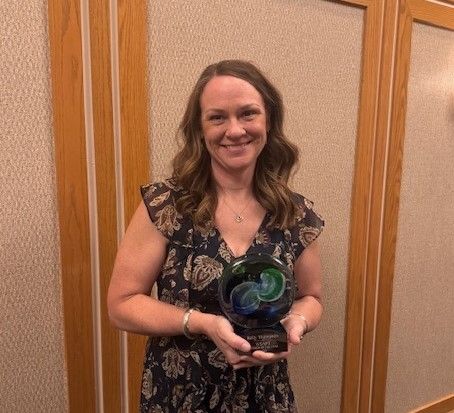
Kelly Thompson

Kelly is an Administrative Services Manager. She assists in the daily operations of the permit center including supervision of permit staff. Provides management support to improve efficiencies using technology, process, and policies. Prepare reports on permit statistics for internal use and in response to Federal and State agencies. Oversee budget of over $4 million in annual revenue and expenses. Intake, routing, and issuance of land use and building permits. Calculate fees in accordance with Fee Resolution, prepare deposits, and reconcile accounts to ensure accuracy. Kelly also serves as Clerk for Public Hearings. Kelly is a graduate of Years 1-3 of the COAP program.

Currently Teaching Pt 101 and PT 102

Rachelle Sagen

Rachelle is a Permit Supervisor. She is Experienced in municipal permitting and operations leader with progressive responsibility overseeing Building, Public Works, and Land Use programs. She has proven ability to manage high-volume permit operations, implement process improvements, supervise staff, and coordinate cross-departmental initiatives. Strong background in regulatory compliance, fee oversight, and public-facing service delivery within a complex governmental environment.

Currently Teaching PT 101 and PT 102

Johnathan Goldsmith

Johnathan is a Deputy Building Official. Utilizing exceptional customer service, conflict-resolution, and problem-solving skills. He strives to provide quality, life-safety-compliant projects (single/multi-family residential and commercial). Johnathan has a passion for the building industry, including educating tradesmen to promote mutual trust and respect in the community.

Currently Teaching BI 201 and BI 202

Andrew Lunde

Andrew is an Engineering Services Manager. He manages the plan review process of building, mechanical, demolition, and grading permits from preapplication to permit issuance. Andrew manages staff of 53 employees consisting of structural engineers, permit process leaders, & building plans examiners.

Currently Teaching PT 103 and BI 203

Have A Question?

What is the difference between a Certificate of Completion and Accreditation?

A Certificate of Completion is awarded for passing Year 1 coursework. Accreditation is a prestigious WABO designation for students who also achieve their International Code Council (ICC) Permit Technician certification.

No. The program is designed to train both current entry-level staff and individuals looking to enter the profession for the first time.

Yes. WABO offers scholarships that may reimburse up to 50% of tuition for students not receiving employer support, and up to one-third for those receiving partial funding.

Students need a computer and reliable internet access. As a professional development program, students are expected to maintain online behavior consistent with industry standards for public service.

The average student will spend 20-25 hours each week dedicated to both courses as the course work is completed concurrently. Course work includes reading, assignments, and quizzes.